
Japan's Growing Obesity Problem
A Western Epidemic Crosses the Pacific

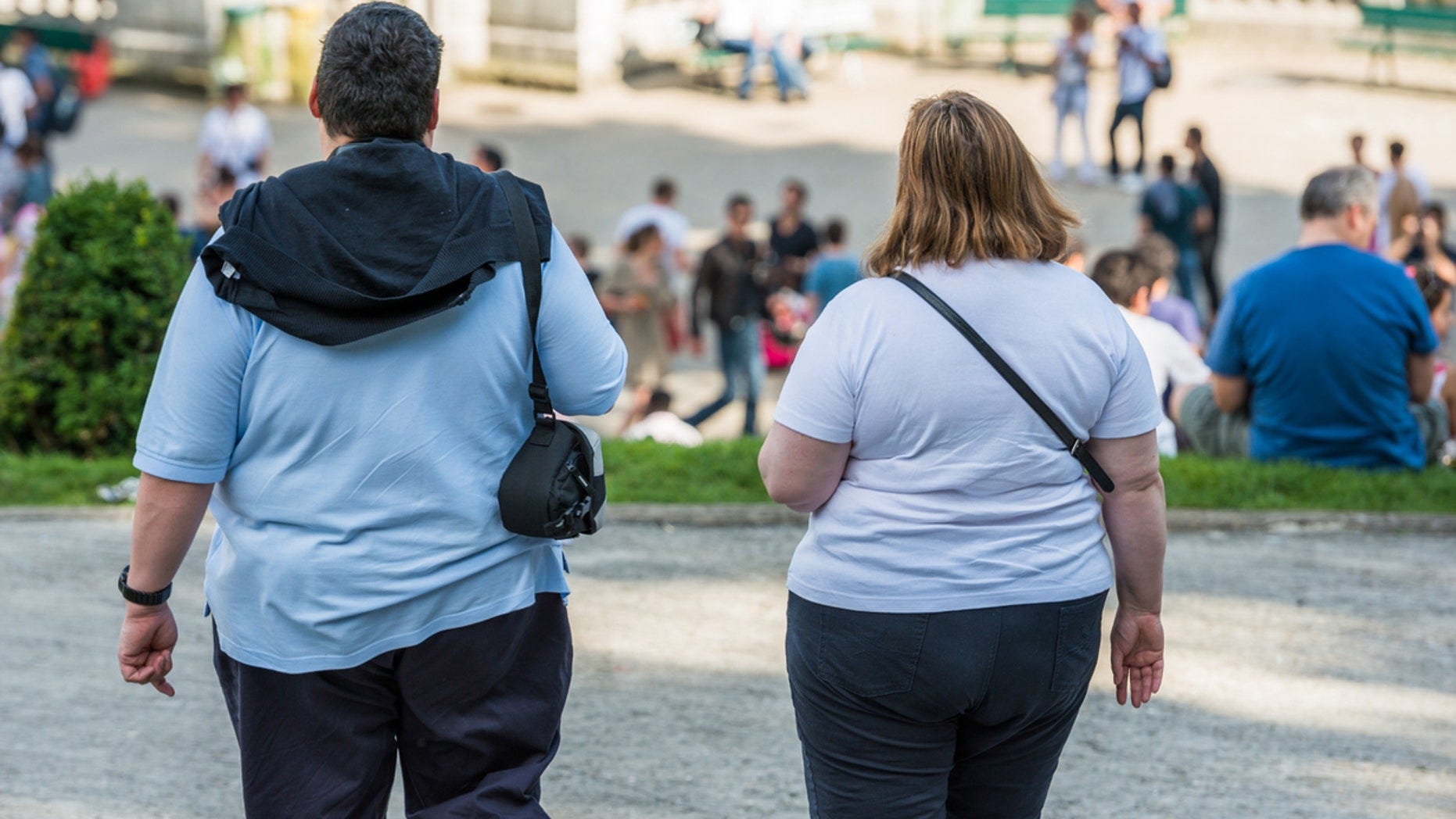
It is estimated that by 2030, about one in six people globally will be obese — a condition characterized by an unhealthy excess of body fat associated with elevated risk of cardiovascular disease, diabetes, musculoskeletal disorders and certain types of cancer. When you think of obesity, you may not think that Japan has a problem.
When I first arrived in Japan in November 2000, I stepped off the train from Narita Airport and immediately felt like a giant. I was astonished at how much smaller everyone around me appeared. I distinctly remember when Jason picked me up from the airport and we boarded the train to Tokyo, I was standing up, grabbing the hand straps. I kept looking up and over at the sea of black hair and turned to Jason and saying “I’m a fu$king giant in this country!”
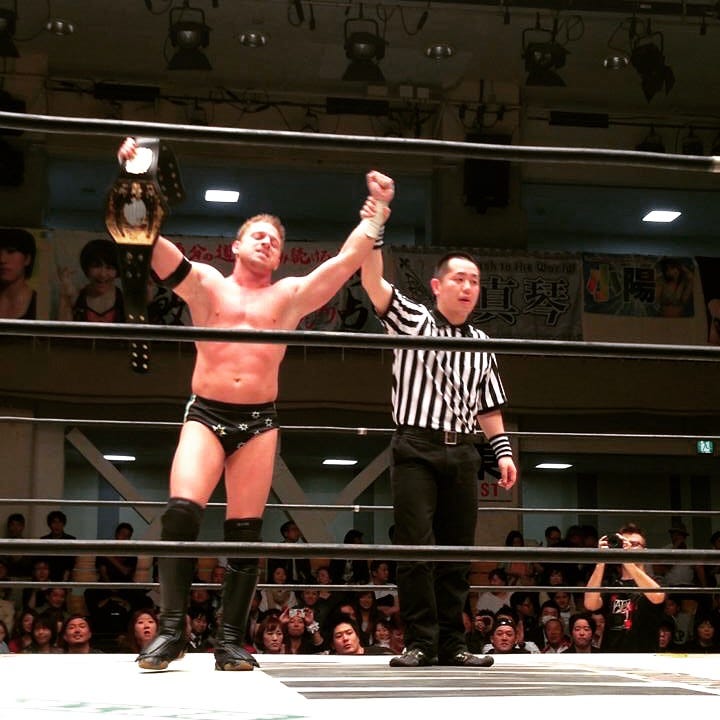
At 173 cm tall and weighing less than 65 kg at the time, I was anything but a giant. Fast forward to 14 years later and I noticed a stark change—both in physical stature and societal habits, thanks actually to a comment from my mum. We observed that the Japanese were not only growing taller but also increasingly struggling with obesity, an issue once nearly absent from their culture. My mother, who had come to visit me for my championship wrestling bout at Korakuen Hall, kept saying to me “I don’t remember Japan having so many overweight people when I was here 10 years ago.”
My mother noticed it first in 2014, 10 years after she was last in Japan in 2004.
Today, I had a fascinating Zoom conversation with a 65-year-old nurse who runs her own NPO, providing free health consultations to people of all ages and backgrounds. She shared a powerful insight:
"At the Nurse’s room that I run, we have everyone from babies to the elderly come. We have scales for babies, so sometimes mums bring their babies in when they're 23 months old for example, or after being discharged from hospital, and we also have elderly patients. We also have quite a lot of middle-aged and older patients. People in their 40s and 50s. That's because of the obesity problem. I often talk about obesity as a lifestyle-related disease and I am very concerned about it."
Her words struck a chord, shedding light on a growing health issue in Japan that mirrors trends seen in Western societies.
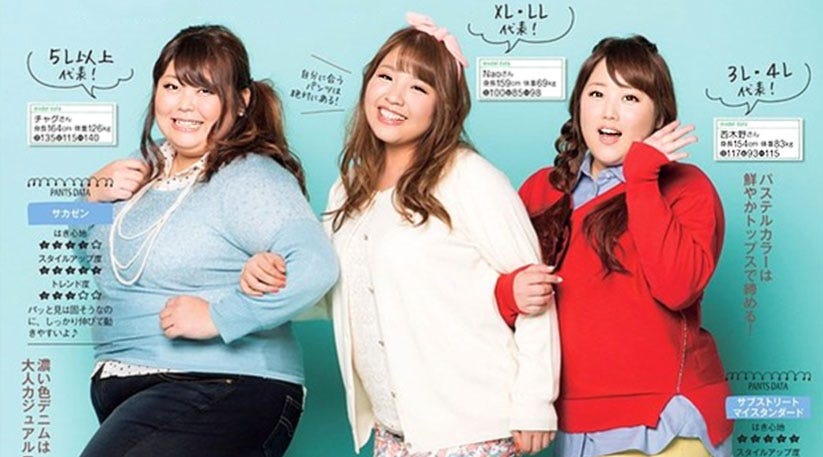
The Changing Face of Japanese Society
For decades, Japan was lauded for its longevity, slim physiques, and a diet rich in fish, vegetables, and fermented foods. However, the introduction of Western fast food chains in the late 1970’s, as well as processed snacks, has brought with it a seismic cultural shift. Traditional eating habits are being overshadowed by convenience-driven diets high in sugar, fat, and empty calories.
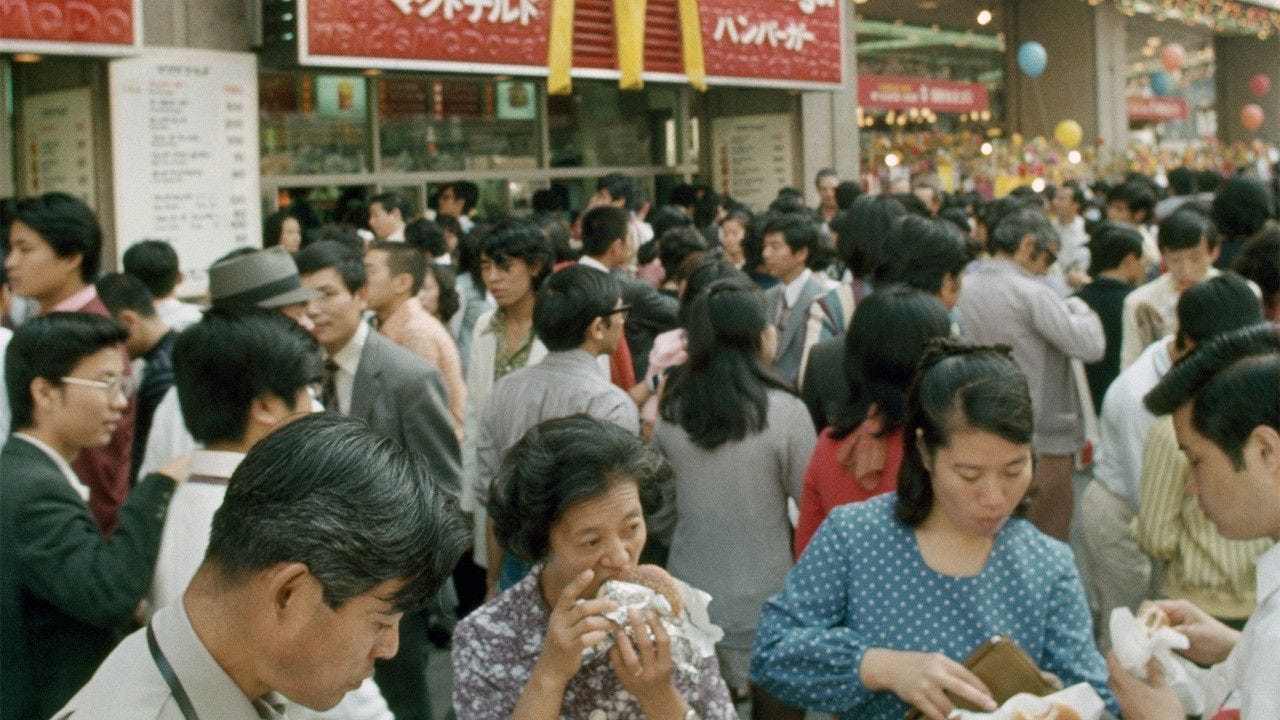
The result? Japan is now grappling with an obesity problem. While the overall obesity rate remains significantly lower than in countries like the United States and Australia, rates among younger people and middle-aged adults have risen sharply.
In Japan, while the incidence of weight-related type 2 diabetes and cardiovascular disease is on the rise, the proportion of the population classified as being clinically obese remains 10 times lower than in the US.
Obesity as a Lifestyle-Related Disease
The nurse I spoke with framed obesity as a "lifestyle-related disease." Her experience echoes what health professionals across the world are observing—individuals struggling to maintain healthy lifestyles amidst long work hours, sedentary routines, and the pervasive availability of unhealthy food options.
Children, too, are not immune to these changes. A 2021 survey found that childhood obesity rates in Japan have been increasing over the past decade. The pandemic exacerbated this trend, with school closures and reduced physical activity contributing to weight gain among children.
A Personal Reflection
As someone who has spent over two decades living in Japan, I’ve seen these shifts firsthand. It’s hard not to draw parallels with my own upbringing in the West, where fast food and sugary snacks were staples of many diets. Japan, once a bastion of healthy eating and active living, is now grappling with the same challenges.
When Western culture brings its conveniences, it often imports its problems, too. The obesity epidemic is one such export. What’s particularly concerning is how quickly this problem has taken root, challenging Japan’s healthcare system and cultural identity alike.
It’s not all grim!
Despite the grim statistics, there’s hope. Japan has a deeply ingrained emphasis on education. Initiatives like the NPO run by the nurse I spoke with are invaluable. Providing free consultations and raising awareness about the link between lifestyle and health can inspire people to make better choices.
Japan's school lunch system is also a unique and meticulously organized program designed to promote healthy eating habits from a young age. Every public school employs a dietitian who carefully plan meals to ensure they are nutritionally balanced, often incorporating seasonal ingredients.

The meals typically feature a mix of rice, vegetables, fish or meat, and soup, avoiding the highly processed and sugary foods common in some other countries. However, this system also highlights a cultural emphasis on conformity, as all students are required to eat the same meal. While this fosters equality and reduces food-related distractions, it can present challenges for children with allergies, dietary restrictions, or preferences. This duality reflects Japan's broader societal balance between tradition and modernity, where uniformity is both a strength and a limitation.
As I reflect on this, I realize that Japan’s fight against obesity is not just about returning to a slimmer physique, but preserving the essence of its identity—a culture that values health, harmony, and balance.
It’s a lesson we all could learn from.
Rionne McAvoy is the director of the award-winning documentary The One's Left Behind: The Plight of Single Mothers in Japan, showcasing his dedication to addressing pressing social issues. A committed documentary filmmaker and professional wrestler, he explores critical themes with passion and insight. Additionally, he has a keen interest in post-World War II Japan, particularly the intricate connections between politicians and gangsters during that era. Known in the wrestling ring as Rionne Fujiwara, he brings the same determination and storytelling prowess from his wrestling persona to his filmmaking endeavors.

Well, I've been obsessed with healthy lifestyle for more than 6 years, and I discovered that seed oils, are the principal cause of cardiopathies and obesity, not only sugar. Seed oils are in every product we buy, even school meals are prepare with seed oils. In my case I changed seed oils for beef tallow and lard. Historically before WWII humans used only animal fat to cook, and no one was morbid obese. Now that Trump won the US election, we will see changes in the US food industry and I hope Japan will adopt these changes too.
Well, it is one way to thin out the population. (pun intended)